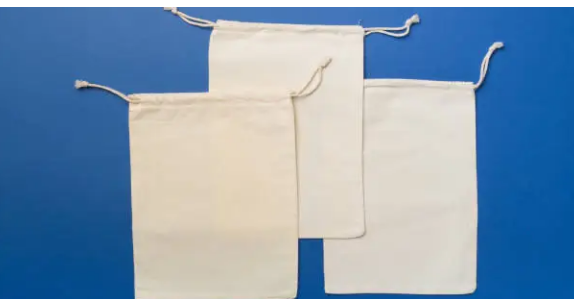
Australia’s meat industry is known for its high-quality produce, making proper packaging essential to maintaining product integrity. Whether you’re a local butcher, meat processor, gourmet food producer, or home sausage maker, stockinette meat bags offer a practical, reliable way to protect premium cuts while enhancing their presentation. Their breathable construction, durability, and versatility have made them a preferred packaging option across Australia’s food industry.
If you’re looking for packaging that supports hygiene, freshness, and professional presentation, understanding how stockinette bags work can help you choose the right solution for your business.
What Are Stockinette Bags?
Stockinette bags are flexible, knitted cotton or synthetic mesh bags designed to hold and protect meat products. Unlike airtight plastic packaging, they allow airflow around the product while helping maintain its shape during storage, handling, and transportation.
Australian meat processors commonly use stockinette bags for:
● Hams
● Whole poultry
● Large beef cuts
● Lamb roasts
● Smoked meats
● Specialty butcher products
Their breathable construction makes them particularly suitable for products that benefit from controlled air circulation during processing or display.
Why Australian Meat Businesses Prefer Stockinette Bags
Australia has strict food safety standards, so packaging quality is a key consideration. Stockinette bags provide several practical advantages for commercial meat operations.
Improved Product Presentation
Customers often associate packaged meat with quality and neat presentation. Stockinette bags create a traditional, premium appearance that enhances the visual appeal of:
● Christmas hams
● Smoked meats
● Gourmet butcher products
● Farm-direct meat sales
The knitted texture gives products a handcrafted look while helping them maintain an attractive shape.
Breathability for Better Performance
Unlike sealed plastic bags, stockinette bags allow air to circulate the product.
This feature helps:
● Reduce excess surface moisture
● Support curing and smoking processes
● Improve product consistency
● Minimise condensation during storage
Many Australian butchers rely on stockinette meat bags because breathable packaging better suits products that require airflow.
Durable Enough for Commercial Use
Meat products are often heavy and awkward to handle.
Quality stockinette bags are designed to withstand:
● Heavy product weight
● Hanging during processing
● Refrigerated storage
● Transport between facilities
● Retail display
Their knitted construction stretches without easily tearing, making them suitable for high-volume commercial operations.
Suitable for Various Meat Products
One reason stockinette bags remain popular throughout Australia is their versatility.
They are commonly used for:
Ham Production
Stockinette bags help maintain the ham’s shape throughout smoking, cooking, and display.
Beef Cuts
Large beef roasts benefit from additional support during handling while maintaining an attractive presentation.
Lamb Products
Australian lamb producers often use stockinette bags for premium cuts destined for retail display.
Poultry
Stockinette bags can also package whole chickens, ducks, and turkeys for better handling and appearance.
Because of their flexibility, stockinette meat bags accommodate a range of product sizes without requiring multiple packaging systems.
Supporting Food Safety Practices
Although stockinette bags are not a substitute for proper food safety procedures, they complement hygienic handling practices by helping protect products from unnecessary contact during processing and transport.
When sourced from reputable suppliers, food-grade stockinette bags are manufactured using materials suitable for meat packaging applications.
Businesses should ensure their packaging complies with Australian food safety requirements and suits the intended use.
Choosing the Right Stockinette Bags
Not all stockinette bags are identical.
Before purchasing, Australian businesses should consider several factors.
Material
Different materials provide varying levels of stretch, durability, and breathability.
Options may include:
● Cotton
● Cotton blends
● Food-grade synthetic fibres
The best choice depends on the intended application.
Size
Selecting the correct size ensures the product fits securely without excessive stretching or loose material.
Many suppliers offer a range of sizes to suit everything from small poultry to large hams.
Strength
Commercial operations should select bags designed for heavier products, particularly when products are suspended during processing.
Food-Grade Quality
Always choose stockinette bags manufactured specifically for food-industry applications to help meet Australian food-handling standards.
Benefits for Australian Butchers and Food Producers
Investing in quality packaging delivers more than product protection.
Stockinette bags can also help businesses by:
● Creating a premium appearance
● Improving customer confidence
● Supporting efficient handling
● Reducing packaging damage
● Maintaining consistent product presentation
● Enhancing retail display
For artisan butchers and specialty meat producers, presentation often influences purchasing decisions as much as product quality itself.
Sustainability Considerations
As Australian businesses increasingly focus on sustainable operations, packaging choices are becoming more important.
Many stockinette bags can be selected with sustainability goals in mind, depending on their material composition and intended use.
Businesses looking to reduce unnecessary plastic packaging may find breathable textile packaging suitable for certain meat products while still delivering excellent functionality.
Choosing durable packaging can also help minimise product waste caused by damaged or unsuitable packaging.
Selecting a Reliable Australian Supplier
Working with an experienced Australian packaging supplier provides several advantages.
Look for suppliers that offer:
● Food-grade compliant products
● Consistent product quality
● Multiple sizing options
● Commercial bulk ordering
● Reliable delivery across Australia
● Industry expertise
An experienced supplier can also recommend the most appropriate stockinette bag based on your product type and production process.
Conclusion
For Australian butchers, meat processors, and specialty food producers, stockinette bags remain one of the most dependable packaging solutions available. Their breathable design, durability, and professional appearance suit a wide range of meat products while supporting efficient handling and attractive presentation.
Whether you’re packaging premium hams, gourmet roasts, poultry, or specialty smoked products, stockinette meat bags provide a practical solution that combines performance with visual appeal. By choosing high-quality stockinette bags from a trusted Australian supplier, businesses can better protect their products, enhance customer confidence, and maintain the professional standards expected throughout Australia’s meat industry.