Category: Agriculture

Stockinette Bags’ Why Australian Butchers Choose Stockinette Meat Bags for Freshness and Presentation

Australia’s meat industry is known for its high-quality produce, making proper packaging essential to maintaining product integrity. Whether you’re a local butcher, meat processor, gourmet food producer, or home sausage maker, stockinette meat bags offer a practical, reliable way to protect premium cuts while enhancing their presentation. Their breathable construction, durability, and versatility have made them a preferred packaging option across Australia’s food industry.

If you’re looking for packaging that supports hygiene, freshness, and professional presentation, understanding how stockinette bags work can help you choose the right solution for your business.

What Are Stockinette Bags?

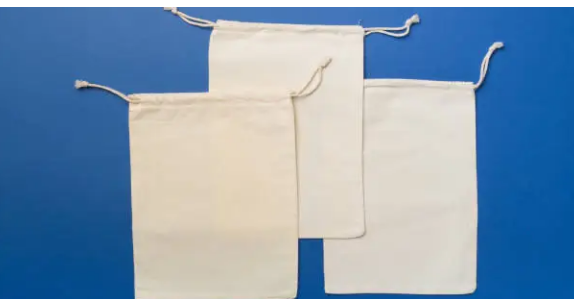
Stockinette bags are flexible, knitted cotton or synthetic mesh bags designed to hold and protect meat products. Unlike airtight plastic packaging, they allow airflow around the product while helping maintain its shape during storage, handling, and transportation.

Australian meat processors commonly use stockinette bags for:

● Hams

● Whole poultry

● Large beef cuts

● Lamb roasts

● Smoked meats

● Specialty butcher products

Their breathable construction makes them particularly suitable for products that benefit from controlled air circulation during processing or display.

Why Australian Meat Businesses Prefer Stockinette Bags

Australia has strict food safety standards, so packaging quality is a key consideration. Stockinette bags provide several practical advantages for commercial meat operations.

Improved Product Presentation

Customers often associate packaged meat with quality and neat presentation. Stockinette bags create a traditional, premium appearance that enhances the visual appeal of:

● Christmas hams

● Smoked meats

● Gourmet butcher products

● Farm-direct meat sales

The knitted texture gives products a handcrafted look while helping them maintain an attractive shape.

Breathability for Better Performance

Unlike sealed plastic bags, stockinette bags allow air to circulate the product.

This feature helps:

● Reduce excess surface moisture

● Support curing and smoking processes

● Improve product consistency

● Minimise condensation during storage

Many Australian butchers rely on stockinette meat bags because breathable packaging better suits products that require airflow.

Durable Enough for Commercial Use

Meat products are often heavy and awkward to handle.

Quality stockinette bags are designed to withstand:

● Heavy product weight

● Hanging during processing

● Refrigerated storage

● Transport between facilities

● Retail display

Their knitted construction stretches without easily tearing, making them suitable for high-volume commercial operations.

Suitable for Various Meat Products

One reason stockinette bags remain popular throughout Australia is their versatility.

They are commonly used for:

Ham Production

Stockinette bags help maintain the ham’s shape throughout smoking, cooking, and display.

Beef Cuts

Large beef roasts benefit from additional support during handling while maintaining an attractive presentation.

Lamb Products

Australian lamb producers often use stockinette bags for premium cuts destined for retail display.

Poultry

Stockinette bags can also package whole chickens, ducks, and turkeys for better handling and appearance.

Because of their flexibility, stockinette meat bags accommodate a range of product sizes without requiring multiple packaging systems.

Supporting Food Safety Practices

Although stockinette bags are not a substitute for proper food safety procedures, they complement hygienic handling practices by helping protect products from unnecessary contact during processing and transport.

When sourced from reputable suppliers, food-grade stockinette bags are manufactured using materials suitable for meat packaging applications.

Businesses should ensure their packaging complies with Australian food safety requirements and suits the intended use.

Choosing the Right Stockinette Bags

Not all stockinette bags are identical.

Before purchasing, Australian businesses should consider several factors.

Material

Different materials provide varying levels of stretch, durability, and breathability.

Options may include:

● Cotton

● Cotton blends

● Food-grade synthetic fibres

The best choice depends on the intended application.

Size

Selecting the correct size ensures the product fits securely without excessive stretching or loose material.

Many suppliers offer a range of sizes to suit everything from small poultry to large hams.

Strength

Commercial operations should select bags designed for heavier products, particularly when products are suspended during processing.

Food-Grade Quality

Always choose stockinette bags manufactured specifically for food-industry applications to help meet Australian food-handling standards.

Benefits for Australian Butchers and Food Producers

Investing in quality packaging delivers more than product protection.

Stockinette bags can also help businesses by:

● Creating a premium appearance

● Improving customer confidence

● Supporting efficient handling

● Reducing packaging damage

● Maintaining consistent product presentation

● Enhancing retail display

For artisan butchers and specialty meat producers, presentation often influences purchasing decisions as much as product quality itself.

Sustainability Considerations

As Australian businesses increasingly focus on sustainable operations, packaging choices are becoming more important.

Many stockinette bags can be selected with sustainability goals in mind, depending on their material composition and intended use.

Businesses looking to reduce unnecessary plastic packaging may find breathable textile packaging suitable for certain meat products while still delivering excellent functionality.

Choosing durable packaging can also help minimise product waste caused by damaged or unsuitable packaging.

Selecting a Reliable Australian Supplier

Working with an experienced Australian packaging supplier provides several advantages.

Look for suppliers that offer:

● Food-grade compliant products

● Consistent product quality

● Multiple sizing options

● Commercial bulk ordering

● Reliable delivery across Australia

● Industry expertise

An experienced supplier can also recommend the most appropriate stockinette bag based on your product type and production process.

Conclusion

For Australian butchers, meat processors, and specialty food producers, stockinette bags remain one of the most dependable packaging solutions available. Their breathable design, durability, and professional appearance suit a wide range of meat products while supporting efficient handling and attractive presentation.

Whether you’re packaging premium hams, gourmet roasts, poultry, or specialty smoked products, stockinette meat bags provide a practical solution that combines performance with visual appeal. By choosing high-quality stockinette bags from a trusted Australian supplier, businesses can better protect their products, enhance customer confidence, and maintain the professional standards expected throughout Australia’s meat industry.

Silage Film Australia’ Why Oxygen Barrier Technology Is Transforming Forage Preservation

When it comes to preserving high-quality forage in Australia’s diverse farming conditions, choosing the right silage covering solution is essential. Modern oxygen barrier silage film technology is helping livestock producers reduce spoilage, improve feed quality, and maximise the return on every harvested crop. From dairy farms in Victoria to beef operations in Queensland, more farmers are turning to advanced silage films to protect valuable feed from oxygen infiltration and weather-related losses.

Understanding Oxygen Barrier Silage Film

Silage preservation relies on creating an airtight environment that allows beneficial fermentation to occur. Traditional plastic covers provide basic protection, but they can still allow small amounts of oxygen to penetrate over time.

An oxygen barrier silage film is specifically engineered with multiple layers designed to significantly reduce oxygen transmission. This advanced construction helps maintain anaerobic conditions inside silage bunkers, pits, and bale systems, leading to better fermentation and reduced spoilage.

The result is a more stable feed source with improved nutritional value and less dry matter loss during storage.

Why Oxygen Exposure Is a Major Challenge

Oxygen is one of the biggest threats to successful silage preservation. When air enters stored forage, it can trigger the growth of moulds, yeasts, and harmful microorganisms. These contaminants consume valuable nutrients and reduce feed quality.

In Australia, fluctuating temperatures and intense sunlight can increase the risk of silage deterioration if inadequate covering systems are used. Even small amounts of oxygen penetration can lead to:

● Increased spoilage near the silage surface

● Reduced feed energy levels

● Greater dry matter losses

● Lower livestock performance

● Increased feed wastage

By minimising oxygen infiltration, advanced silage films help maintain the quality of stored forage throughout the feeding season.

Benefits of Oxygen Barrier Technology for Australian Farms

Improved Feed Quality

One of the primary advantages of oxygen barrier films is their ability to maintain a more stable fermentation environment. Better fermentation preserves essential nutrients, allowing livestock to receive consistent, high-quality feed.

This is particularly important for dairy producers who depend on nutrient-dense forage to support milk production.

Reduced Dry Matter Loss

Dry matter loss directly impacts profitability. Every tonne of forage lost during storage represents lost time, labour, and production costs.

An oxygen barrier silage film can help reduce these losses by preventing oxygen from entering the silage mass. This means more usable feed remains available when it is time to open the storage system.

Lower Risk of Mould and Yeast Growth

Oxygen promotes microbial activity that can damage silage quality. Oxygen barrier technology creates a stronger defence against spoilage organisms, reducing the likelihood of mould growth and heating within the stored forage.

Healthier silage can improve animal health and feed efficiency.

Enhanced Economic Returns

Although advanced films may involve a higher upfront investment than conventional covers, many Australian producers find the long-term savings worthwhile.

Reduced spoilage, improved feed utilisation, and lower replacement feed costs often result in better overall returns on investment.

Choosing the Right Silage Film for Australian Conditions

Australia’s agricultural regions experience a wide range of environmental conditions, from high rainfall zones to dry inland climates. Selecting a silage film suited to local conditions is essential.

Key factors to consider include:

UV Resistance

Australia’s intense sunlight can degrade low-quality plastic covers over time. High-performance forage preservation technology are designed with UV stabilisers to withstand prolonged sun exposure.

Film Strength

Silage covers should resist punctures and tears caused by machinery, livestock, wildlife, and environmental factors. Multi-layer construction often provides superior durability.

Oxygen Transmission Rate

The effectiveness of a silage film largely depends on its ability to block oxygen. Lower oxygen transmission rates generally provide better forage preservation.

Compatibility with Storage Systems

Different operations may use bunker silos, silage pits, wrapped bales, or silage bags. Choosing a film designed for the specific storage method ensures optimal performance.

Best Practices for Maximising Silage Protection

Even the most advanced silage film performs best when paired with proper management practices.

Prepare the Silage Correctly

Harvest forage at the appropriate moisture level and compact it thoroughly to remove trapped air. Good compaction is the foundation of successful silage preservation.

Apply the Film Promptly

Cover silage as quickly as possible after filling the storage structure. Delays can expose forage to oxygen, reducing fermentation quality.

Ensure a Tight Seal

Secure the film carefully to prevent air pockets and edge infiltration. Weights, gravel bags, or specialised anchoring systems can help maintain an effective seal.

Inspect Regularly

Check covers throughout the storage period for damage caused by weather, wildlife, or machinery. Prompt repairs help preserve the protective barrier.

An oxygen barrier silage film performs most effectively when combined with these proven management strategies.

The Future of Silage Preservation in Australia

As Australian livestock producers continue seeking ways to improve efficiency and sustainability, advanced forage preservation technologies are becoming increasingly important. Oxygen barrier films represent a significant step forward in reducing feed losses and maximising the value of harvested crops.

With growing pressure to control costs while maintaining productivity, investing in better silage protection can deliver measurable benefits across the entire feeding program.

Conclusion

Selecting the right silage covering solution is a critical decision for Australian farmers aiming to protect forage quality and improve farm profitability. An oxygen barrier silage film provides superior protection against oxygen infiltration, helping reduce spoilage, preserve nutrients, and minimise dry matter losses.

Whether managing a dairy, beef, or mixed farming operation, adopting advanced silage film technology can improve feed quality and yield stronger long-term returns. As forage preservation standards continue to evolve, oxygen barrier solutions are becoming an essential tool for modern Australian agriculture.

Stockinette Bags’ Versatile Solutions for Australian Industrial and Home Applications

Stockinette bags have become a staple in both industrial and domestic settings across Australia due to their versatility, durability, and practical design. Whether in food processing, agriculture, or home organisation, stockinette bags provide a lightweight yet robust solution for storing, transporting, and protecting a wide range of items. Australian businesses and households are increasingly recognising the value of these bags, not only for their functionality but also for their cost-effectiveness and environmental benefits.

What Are Stockinette Bags?

Stockinette bags are typically made from knitted polyester, cotton, or synthetic fibres, creating a breathable and flexible fabric that conforms easily to the contents it holds. In Australia, these bags are widely used for purposes ranging from fruit and vegetable storage to protective packaging in manufacturing and healthcare sectors. Their soft texture prevents scratches or damage to delicate items, while their stretchable nature accommodates irregularly shaped goods efficiently.

Applications in Australian Industries

1. Food and Agriculture

Australian farmers and food processors rely on stockinette bags for storing and transporting fresh produce. The breathable fabric allows air circulation, reducing the risk of spoilage and maintaining the quality of fruits, vegetables, and even nuts. Stockinette bags are also used in wineries and breweries for filtration purposes, demonstrating their versatility across the food and beverage industry.

2. Pharmaceuticals and Healthcare

Hospitals and laboratories in Australia use stockinette bags to protect sensitive equipment and medical supplies. Their hygienic properties and ability to withstand repeated washing make them ideal for storing instruments, linens, and even surgical materials. Additionally, stockinette bags are sometimes employed in the production of orthopedic supports, such as limb coverings and casts, highlighting their adaptability in the medical sector.

3. Manufacturing and Packaging

In Australian manufacturing facilities, stockinette bags serve as protective covers for delicate components, machinery parts, and textiles. They prevent scratches, dust accumulation, and minor damage during storage or transportation. Businesses also appreciate their eco-friendliness, as many stockinette bags are reusable and reduce the need for disposable packaging materials.

Benefits of Stockinette Bags for Australian Users

1. Durability and Strength – Despite their lightweight design, stockinette bags are incredibly strong. They can hold significant weight without tearing, making them suitable for industrial and domestic use.

2. Eco-Friendly Option – With sustainability being a growing concern in Australia, stockinette bags offer a reusable alternative to plastic packaging. Many suppliers provide biodegradable or recyclable options, aligning with the country’s environmental initiatives.

3. Cost-Effective – Compared to other storage or packaging solutions, stockinette bags are affordable and long-lasting. Businesses benefit from reduced replacement costs, while households can organise their items without investing in expensive storage systems.

4. Customizable Sizes and Designs – Australian suppliers often offer stockinette bags in various sizes, colours, and thicknesses to meet specific requirements. From small bags for home use to large industrial bags, customisation ensures the right solution for any need.

Choosing the Right Stockinette Bag in Australia

When selecting stockinette bags locally, several factors should be considered:

● Material Quality: Opt for high-quality cotton or polyester that resists wear and tear.

● Size and Capacity: Consider the items you plan to store or transport to choose appropriately sized bags.

● Supplier Reputation: Source from Australian suppliers who adhere to safety and hygiene standards. This ensures the bags meet regulatory requirements, particularly for food and medical applications.

● Eco-Friendliness: Look for reusable or biodegradable options to reduce environmental impact.

Australian suppliers often offer bulk purchasing options, which areare particularly useful for industries like agriculture and manufacturing, where large quantities of stockinette bags are regularly required.

Stockinette Bags in Australian Homes

Beyond industrial uses, stockinette bags are becoming popular in Australian households. They are ideal for laundry storage, organising toys, protecting delicate clothing, or even storing seasonal decorations. Their breathable fabric prevents odours and mildew, making them a practical solution for long-term storage. Additionally, their flexibility allows homeowners to utilise them in creative ways, such as DIY crafts, gift wrapping, or even garden storage.

Conclusion

Stockinette bags are a versatile, durable, and eco-friendly solution widely used across Australia in industries, healthcare, and homes. Their breathable fabric, strength, and adaptability make them ideal for protecting, storing, and transporting a variety of items. With the added benefit of being cost-effective and environmentally responsible, stockinette bags represent a practical choice for Australian businesses and households alike.

For those looking to streamline storage, protect delicate items, or improve packaging solutions, stockinette bags are a reliable option that combines functionality with sustainability. Whether sourced locally or in bulk from Australian suppliers, these bags continue to play an essential role in modern storage and packaging solutions nationwide.

Silage Plastic Successful Silage Plastic Usage in Australian Beef Production

In the dynamic landscape of Australian beef production, silage plastic has emerged as a game-changer in feed preservation and livestock nutrition. This case study explores the successful adoption of silage plastic by a prominent Australian beef farm, highlighting practical benefits, challenges overcome, and the overall impact on productivity and sustainability. As beef producers face increasingly variable climates and economic pressures, the strategic use of silage plastic offers promising opportunities for feed management excellence.

Background: Beef Production Challenges in Australia

Australian beef producers operate in an environment marked by climatic extremes—from prolonged droughts to sporadic heavy rains. These fluctuations can disrupt traditional feed supply, necessitating reliable preservation methods to maintain year-round nutrition for cattle. Silage plastic has been adopted as an effective solution for storing fermented forage, reducing feed wastage, and improving feed quality. This case study focuses on a family-owned beef operation in Queensland’s Darling Downs region, a key area for cattle grazing and feed production.

Why Silage Plastic? The Motivation Behind Adoption

The farm, managing over 2,000 head of cattle, faced significant challenges with conventional hay storage. Exposure to moisture and pests often resulted in feed losses of up to 20%, affecting both herd health and profitability. The decision to implement silage plastic was motivated by the need to:

  • Enhance Feed Preservation: Create airtight conditions to promote proper fermentation.
  • Reduce Feed Waste: Minimise losses due to spoilage and weather damage.
  • Improve Nutritional Quality: Maintain higher protein and energy levels in silage.
  • Increase Operational Efficiency: Allow flexible feeding schedules and reduce labour costs.

Implementation Process: Steps to Success

  1. Selection of Silage Plastic: The farm invested in high-quality, UV-resistant silage plastic tailored for long-term exposure to Australia’s harsh sun and variable weather. The chosen product featured a multi-layer construction to optimise oxygen barrier properties.
  2. Training and Equipment: Staff underwent training on correct application techniques, including proper wrapping and sealing to eliminate air pockets. The farm upgraded machinery to handle large bale sizes compatible with the plastic wrap.
  3. Monitoring and Management: A dedicated team monitored fermentation quality and silage moisture levels, using portable testing kits. This approach ensured timely adjustments to moisture management and feed-out procedures.

Outcomes: Measurable Benefits from Silage Plastic Usage

After two full seasons using silage plastic, the farm reported substantial improvements:

  • Feed Loss Reduction: Feed wastage dropped from 20% to under 5%, saving significant costs annually.
  • Enhanced Silage Quality: Nutritional analyses showed increased crude protein retention and better fibre digestibility, directly benefiting cattle weight gain and overall health.
  • Extended Feed Storage: Silage wrapped with silage plastic maintained quality for up to 12 months, providing reliable feed reserves during drought periods.
  • Labour and Cost Savings: Automated wrapping reduced manual labour hours by 30%, and better feed efficiency lowered overall feeding costs by 15%.

Environmental and Economic Impacts

Beyond operational gains, silage plastic contributed positively to the farm’s sustainability profile. Reduced spoilage means less organic waste, lowering greenhouse gas emissions from decomposing silage. Additionally, by securing feed quality and availability, the farm improved herd productivity without expanding grazing pressure, supporting sustainable land use.

Economically, the farm’s beef output improved, enabling better market positioning with consistent supply and quality. The ROI on silage plastic investment was realised within the first 18 months, affirming its viability as a long-term feed management strategy.

Lessons Learned and Best Practices

The success of silage plastic usage on this Australian beef farm offers essential insights for similar operations:

  • Invest in Quality Materials: Opting for premium silage plastic designed for Australian conditions is crucial for durability and performance.
  • Proper Application is Key: Training and precision in wrapping technique dramatically influence fermentation outcomes and feed preservation.
  • Regular Monitoring: Frequent quality checks enable early intervention, maintaining optimal silage conditions.
  • Adapt to Local Climate: Tailoring silage strategies to regional weather patterns enhances resilience against climate variability.

Future Prospects for Silage Plastic in Australian Beef Production

As climate challenges persist, silage plastic’s role in beef production will likely grow. Innovations such as biodegradable silage plastic and intelligent monitoring systems promise to further enhance sustainability and efficiency. Australian farmers can leverage these advancements to ensure resilient, profitable, and environmentally responsible beef production.

Conclusion

This case study underscores the transformative impact of silage plastic in Australian beef production. By significantly reducing feed loss, improving nutritional quality, and supporting sustainable farming practices, silage plastic has proven to be a valuable asset for cattle producers facing the rigours of Australia’s climate and market demands. For beef farms aiming to optimise feed management, investing in silage plastic and embracing best practices presents a confident pathway to success.

Silage Covers: The Economic Benefits of Using Quality Silage Covers for Australian Farmers

In the competitive landscape of Australian agriculture, every decision can impact a farm’s profitability. One often overlooked yet crucial investment is in silage covers. These covers are essential for protecting stored forage, ensuring feed quality, and ultimately safeguarding the economic viability of a farming operation. For Australian farmers, who face ongoing challenges from climatic variability and market pressures, selecting high-quality silage covers can directly translate into financial benefits.


Why Quality Silage Covers Matter in Australia’s Farming Environment

Silage Covers

Benefits of using quality silage covers

Australia’s diverse climate ranges from humid subtropical regions to arid inland areas, making silage preservation a complex task. Silage covers serve as the frontline defence against air and water infiltration, which can spoil feed and reduce nutritional value. Poorly protected silage results in dry matter losses and increased wastage — a direct economic loss for farmers.


Quality silage covers are specifically designed to provide an airtight seal, resist UV degradation, and withstand the harsh Australian sun and weather conditions. Investing in premium silage covers provides better protection for feedstocks, resulting in higher-quality silage that supports animal health and productivity.


Reduced Feed Losses Mean Increased Profit Margins

One of the primary economic benefits of using quality silage covers is the substantial reduction in feed losses. Research shows that silage losses due to spoilage and aerobic deterioration can range from 15% to over 30% when inadequate covers are used. In contrast, high-quality silage covers significantly reduce these losses by preventing oxygen penetration.


For Australian farmers, where feed costs account for a large portion of operational expenses, even modest improvements in silage preservation can boost profit margins. Better feed quality means livestock receive more consistent nutrition, leading to improved weight gain, milk production, and reproductive performance. Over time, these improvements translate into higher returns on investment.


Longevity and Durability: Cost-Effectiveness Over Time

While premium silage covers may come with a higher upfront cost, their durability ensures a longer service life. Australian farmers face intense UV exposure and fluctuating temperatures, conditions that can degrade inferior covers quickly. Quality silage covers often feature UV stabilisers and robust materials engineered for extended use.


This longevity reduces the frequency of replacement purchases, lowering overall expenditure on silage protection. Moreover, durable covers minimise the need for repairs and replacements mid-season, preventing feed exposure and associated losses. The initial investment pays off by maintaining silage integrity throughout storage periods, enhancing overall cost-effectiveness.


Environmental Factors: Tailoring Silage Covers to Australian Conditions

Australia’s unique environment demands silage covers that can adapt to different regional challenges. Coastal farms might battle salt spray and higher humidity, whereas inland farms confront dust and heat extremes. High-quality silage covers designed for these conditions can resist corrosion, tearing, and degradation, ensuring consistent performance.


By selecting silage covers engineered for their specific local conditions, Australian farmers optimise protection and avoid the hidden costs of feed contamination and spoilage. The economic benefit lies not only in preserving silage but also in avoiding the disruption and financial strain of dealing with compromised feed supplies.


Improved Silage Management and Labour Efficiency

Another advantage of using quality silage covers is the ease of application and removal, which can improve labour efficiency on the farm. Superior materials are often lighter, more flexible, and easier to handle, reducing the time and manpower required during silage covering processes.


For Australian farmers, who often operate with limited labour, time savings translate into reduced labour costs and allow focus on other essential farming tasks. Efficient silage management also means faster response to weather changes and better overall forage management, minimising the risks of silage degradation.


Enhancing Farm Sustainability and Market Competitiveness

The economic benefits of quality silage covers extend beyond immediate savings and productivity gains. By protecting feed quality and reducing waste, farmers contribute to a more sustainable agricultural system. Less spoilage means reduced need for supplementary feed purchases, lowering the farm’s carbon footprint.


In Australia’s increasingly eco-conscious market, demonstrating sustainable practices can open new opportunities for premium product marketing and improved brand reputation. This competitive edge supports long-term farm profitability and resilience in a changing industry landscape.


Conclusion: Strategic Investment for Economic Resilience

For Australian farmers, the choice of silage covers is not merely a matter of convenience—it’s a strategic economic decision. Quality silage covers protect valuable feed from spoilage, reduce costs associated with feed loss and labour, and withstand Australia’s challenging climatic conditions. These benefits collectively improve profit margins, support sustainable farming practices, and enhance overall farm resilience.


Investing in premium silage covers today can yield significant economic returns tomorrow, making it a smart choice for any forward-thinking Australian farmer committed to both productivity and profitability.


If you want your silage to truly pay off, don’t cut corners on covers—choose quality and watch your bottom line grow.