As the bond between humans and their canine companions deepens, the demand for advanced veterinary care, including physical therapy, has surged. Dog physical therapists have emerged as crucial players in the veterinary field, offering specialized care to enhance the mobility and quality of life for dogs suffering from various physical ailments. This article delves into the world of dog physical therapists, exploring their roles, the conditions they treat, and the benefits of hiring a specialized dog physical therapist.
Understanding the Role of a Dog Physical Therapist
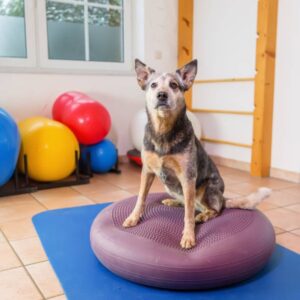 A dog physical therapist is a trained professional who focuses on the rehabilitation and physical well-being of dogs. These therapists employ a range of techniques to manage pain, improve mobility, and enhance the overall quality of life for their canine patients. The goal is not only to treat existing conditions but also to prevent future injuries through comprehensive care plans.
The Need for Specialized Dog Physical Therapists
The complexity and variety of conditions affecting dogs necessitate the expertise of specialized dog physical therapists. These professionals are adept at handling specific issues such as post-surgical recovery, chronic pain management, and congenital disorders. A specialized dog physical therapist undergoes rigorous training to understand the nuances of canine anatomy and physiology, ensuring that each treatment plan is tailored to the individual needs of the dog.
Common Conditions Treated by Dog Physical Therapists
Dog physical therapists address a wide range of conditions, including:
- Arthritis: Common in older dogs, arthritis causes joint inflammation and pain. Physical therapy can help manage symptoms and improve joint function.
- Hip Dysplasia: A genetic condition that leads to improper hip joint development, causing pain and mobility issues. Therapists use exercises and other treatments to strengthen muscles and support the joint.
- Cruciate Ligament Injuries: Similar to ACL injuries in humans, these injuries cause knee instability. Rehabilitation can aid in recovery post-surgery or, in some cases, prevent the need for surgery.
- Neurological Disorders: Conditions such as intervertebral disc disease (IVDD) can lead to paralysis or weakness. Physical therapy helps in regaining strength and function.
- Post-Surgical Recovery: After surgeries like hip replacements or fracture repairs, physical therapy is essential to restore full function and speed up recovery.
Techniques Used by Dog Physical Therapists
A variety of techniques are employed by dog physical therapists to address different needs:
- Manual Therapy: This includes massage, joint mobilization, and stretching to reduce pain and improve range of motion.
- Therapeutic Exercises: Customized exercises strengthen muscles, enhance balance, and improve coordination. Examples include controlled walking, sit-to-stand exercises, and using balance boards.
- Hydrotherapy: Water-based exercises, such as swimming or underwater treadmill sessions, provide a low-impact way to strengthen muscles and improve cardiovascular health.
- Laser Therapy: Low-level laser therapy reduces inflammation and pain, promoting tissue healing.
- Electrotherapy: Techniques like transcutaneous electrical nerve stimulation (TENS) manage pain and stimulate muscle contractions.
Benefits of Physical Therapy for Dogs
The benefits of physical therapy for dogs are numerous:
- Pain Relief: Therapeutic techniques help manage chronic pain, providing relief and improving the dog’s comfort.
- Enhanced Mobility: Physical therapy restores and enhances movement, allowing dogs to engage more freely in daily activities.
- Accelerated Recovery: Post-surgical rehabilitation accelerates healing, reduces complications, and improves surgical outcomes.
- Improved Strength and Fitness: Targeted exercises build muscle strength, support joints, and promote overall fitness.
- Weight Management: For overweight dogs, physical therapy can be part of a weight management plan, reducing strain on joints and improving overall health.
Finding the Right Dog Physical Therapist
Choosing the right dog physical therapist is crucial for effective treatment. Here are some tips to help you find a qualified professional:
- Certification and Training: Look for therapists who are certified and have undergone specialized training in canine rehabilitation. Organizations such as the American Association of Rehabilitation Veterinarians (AARV) and the Canine Rehabilitation Institute (CRI) offer certification programs.
- Experience: Select a therapist with experience in treating the specific condition your dog is facing.
- Reputation: Seek recommendations from your veterinarian or other pet owners, and read reviews to gauge the therapist’s reputation.
- Facility: Ensure the facility is well-equipped with the necessary tools and equipment for comprehensive rehabilitation.
- Personalized Approach: A good dog physical therapist will develop a customized treatment plan tailored to your dog’s needs and will communicate effectively with you throughout the process.
Conclusion
Dog physical therapists play a vital role in the realm of veterinary care, offering specialized treatments that significantly improve the lives of dogs with various physical ailments. Through a combination of therapeutic exercises, manual therapy, hydrotherapy, laser therapy, and electrotherapy, these professionals help manage pain, restore mobility, and enhance overall well-being. As awareness of the benefits of physical therapy for dogs grows, more pet owners are turning to these specialists to ensure their furry friends lead healthier, more active lives. Whether addressing chronic conditions or aiding in post-surgical recovery, dog physical therapists are essential partners in promoting optimal health and quality of life for our canine companions.