Month: April 2026

Business Vehicle Finance’ How Australian Businesses Can Choose the Right Option

When running a business in Australia, having the right vehicles is essential for operations, whether for transporting goods, visiting clients, or managing a fleet. However, purchasing vehicles outright can put a significant strain on cash flow, especially for small and medium-sized businesses. This is where business vehicle finance comes into play. Business vehicle finance provides companies with flexible options to acquire vehicles while preserving working capital and taking advantage of potential tax benefits. Understanding the different types of finance available in Australia is crucial for making an informed decision that suits your business needs.

Understanding Business Vehicle Finance in Australia

In Australia, business vehicle finance helps businesses purchase or lease vehicles without paying the full cost up front. There are several financing structures commonly used by Australian businesses, including chattel mortgages, hire purchase agreements, and novated leases. Each option has unique benefits and considerations, depending on your cash flow, tax position, and long-term plans for vehicle ownership.

● Chattel Mortgage: This finance option allows a business to purchase a vehicle while using the loan as security. It offers the benefit of claiming GST on the purchase price upfront and provides depreciation deductions over time. Once the loan is paid, the business fully owns the vehicle.

● Hire Purchase: With a hire purchase agreement, businesses pay off the vehicle in instalments over an agreed period. The ownership transfers to the business at the end of the term. This option is ideal for businesses that prefer predictable monthly payments while gradually building equity in the asset.

● Novated Lease: Commonly used for employee vehicles, a novated lease involves an agreement among the employer, the employee, and a finance company. The employer makes lease payments on behalf of the employee from pre-tax income, potentially resulting in tax savings. While less common for fleet vehicles, novated leases are increasingly popular in Australia for small businesses providing staff vehicles.

Key Factors to Consider When Choosing Business Vehicle Finance

Selecting the right business vehicle finance option involves more than just comparing interest rates. Australian businesses need to consider factors such as cash flow, tax implications, fleet size, and the vehicle’s anticipated lifespan.

1. Cash Flow Management: Financing can help businesses preserve working capital for operational needs. Consider monthly repayments, upfront costs, and how the finance structure aligns with your cash flow.

2. Tax Benefits: Australian tax laws allow businesses to claim GST on certain vehicle purchases and depreciation expenses, depending on the type of finance. Chattel mortgages and hire purchase agreements often provide clear tax advantages for small and medium enterprises.

3. Ownership Goals: Determine whether your business prefers outright ownership after repayments or is comfortable with leasing arrangements that require the vehicle’s return at the end of the term. Ownership can be an important factor if you intend to resell vehicles later.

4. Fleet Management: For businesses with multiple vehicles, a structured finance plan helps efficiently manage maintenance schedules, insurance, and replacement cycles. Choosing a finance option that accommodates fleet growth is essential.

Benefits of Business Vehicle Finance for Australian Businesses

Using business vehicle finance offers several advantages for companies operating in Australia:

● Preserves Capital: Avoid large upfront payments and keep cash available for other business investments.

● Tax Efficiency: Many financing options allow businesses to claim GST and depreciation deductions.

● Flexibility: Options like chattel mortgages or hire purchase agreements can be tailored to match business cash flow and repayment capabilities.

● Fleet Expansion: Easier access to multiple vehicles without a substantial capital outlay, supporting growth and operational efficiency.

How to Choose the Right Finance Option

Choosing the right business vehicle finance involves evaluating your business’s financial position, long-term goals, and operational needs. Start by consulting a finance broker or accountant who understands the Australian market. They can provide tailored advice on the best structure for your business, ensuring compliance with tax laws while maximising cash flow benefits.

It’s also important to compare offers from different lenders and understand the terms and conditions, including interest rates, fees, and repayment schedules. Many Australian banks and finance companies specialise in business vehicle finance, providing competitive options for both small and large fleets.

Final Thoughts

For Australian businesses, selecting the right business vehicle finance option is more than just a financial decision—it’s a strategic choice that impacts cash flow, tax efficiency, and operational capability. By understanding the different financing structures, evaluating your business goals, and seeking professional guidance, you can make informed decisions that benefit your company now and in the long term.

Investing in the right vehicle finance solution allows your business to grow without compromising capital, maintain flexibility, and ensure your fleet efficiently supports your operational demands. Whether you choose a chattel mortgage, hire purchase, or novated lease, a well-planned financing strategy will help your Australian business stay mobile and competitive in today’s market.

Upholsterers in Adelaide’ How to Choose the Best Experts for Furniture Restoration and Custom Design

Whether you’re restoring a treasured antique, upgrading your living room aesthetic, or outfitting a commercial space, finding the right upholstery specialist is essential. When searching for reliable upholsterers in Adelaide, homeowners and business owners alike want skilled professionals who can breathe new life into their furniture. Adelaide, SA offers a diverse range of experienced tradespeople, but knowing how to identify the best fit for your needs can save time, money, and frustration.

Why Hire Professional Upholsterers in Adelaide?

Furniture is an investment, and quality upholstery work extends its lifespan while enhancing visual appeal. Professional upholsterers bring technical expertise, precision craftsmanship, and access to premium materials that DIY approaches simply can’t match. In a city like Adelaide—known for its blend of heritage homes and modern interiors—upholstery services are in high demand for both restoration and customisation projects.

Experienced upholsterers can handle a wide variety of tasks, including reupholstering sofas, repairing damaged frames, replacing foam and padding, and creating custom pieces tailored to your space. Their ability to match fabrics, textures, and styles ensures your furniture complements your interior design seamlessly.

Key Services Offered by Upholsterers

When evaluating upholsterers in Adelaide, it’s important to understand the range of services typically offered:

● Furniture Restoration: Ideal for antique or sentimental pieces that need structural repair and fabric replacement.

● Custom Upholstery: Tailored solutions for unique furniture designs or specific aesthetic requirements.

● Commercial Upholstery: Services for offices, cafes, restaurants, and hotels needing durable and stylish seating.

● Cushion Refilling and Repairs: Enhancing comfort by replacing worn-out padding or springs.

● Fabric Consultation: Guidance on choosing the right materials based on durability, style, and budget.

These services ensure that whether you’re updating a single chair or revamping an entire space, professional upholsterers can deliver high-quality results.

What to Look for in Adelaide Upholsterers

Choosing the right upholsterer requires more than a quick online search. Here are critical factors to consider:

1. Experience and Portfolio

Look for businesses with a proven track record. A strong portfolio showcasing before-and-after transformations is a good indicator of craftsmanship and versatility.

2. Material Quality

Top upholsterers use high-grade fabrics, leathers, and cushioning materials. Ask about fabric durability ratings, especially for high-traffic furniture.

3. Customisation Options

The best upholsterers in Adelaide offer a wide selection of fabrics, colours, and finishes. This flexibility allows you to achieve a truly personalised result.

4. Turnaround Time

Project timelines can vary depending on complexity. Reliable professionals provide clear estimates and stick to agreed deadlines.

5. Customer Reviews

Online testimonials and word-of-mouth recommendations remain one of the most reliable ways to assess service quality.

Cost Considerations

Pricing for upholstery services in Adelaide can vary significantly based on factors such as furniture size, fabric choice, and the complexity of the work. For example, reupholstering a standard armchair may cost less than restoring a large sectional sofa with intricate detailing.

While it may be tempting to choose the cheapest option, it’s important to balance cost with quality. Skilled upholsterers deliver long-term value by ensuring durability and a superior finish, reducing the need for frequent repairs or replacements.

Benefits of Reupholstering vs Buying New

Many Adelaide residents are turning to reupholstery as a cost-effective and sustainable alternative to purchasing new furniture. Here’s why:

● Sustainability: Reduces landfill waste by extending the life of existing furniture.

● Cost Efficiency: Often more affordable than buying high-quality new pieces.

● Customisation: Allows complete control over design, fabric, and finish.

● Sentimental Value: Preserves pieces with emotional or historical significance.

With sustainability becoming a growing priority in South Australia, reupholstery aligns well with eco-conscious living trends.

Trends in Upholstery Across Adelaide

Adelaide’s interior design trends significantly influence upholstery choices. Currently, there is a strong demand for:

● Neutral tones with textured fabrics

● Durable, stain-resistant materials for family homes

● Bold statement pieces featuring vibrant colours or patterns

● Vintage restoration for heritage-style properties

Professional upholsterers stay up to date with these trends, helping clients achieve modern yet timeless designs.

Questions to Ask Before Hiring

Before committing to a service provider, always consider asking the following:

● What is your experience with similar projects?

● Can you provide fabric samples?

● What is the estimated timeline and cost?

● Do you offer warranties on workmanship?

● Can I see recently completed projects?

These questions help ensure transparency and set clear expectations from the outset.

Final Thoughts

Finding the right upholsterers in Adelaide doesn’t have to be overwhelming. By focusing on experience, material quality, and customer feedback, you can confidently select a professional who will transform your furniture into something both functional and visually striking. Whether you’re restoring a cherished heirloom or creating a custom statement piece, skilled upholsterers provide the expertise needed to achieve exceptional results.

Investing in professional upholstery is not just about aesthetics—it’s about preserving value, enhancing comfort, and making sustainable choices for your home or business.

Physio in St Clair’ Chronic Pain Management Through Physiotherapy

Chronic pain is one of the most common and disabling health conditions affecting adults in South Australia, and residents in St Clair, South Australia are no exception. Accessing physio in St Clair services can play a crucial role in improving long-term function, reducing pain sensitivity, and restoring quality of life without relying solely on medication. Physiotherapy offers evidence-based strategies tailored to the underlying causes of persistent pain, helping individuals regain control over their daily activities.

Chronic pain is typically defined as pain lasting longer than three months and can stem from conditions such as arthritis, spinal degeneration, nerve irritation, or previous injuries that have not fully healed. In many cases, the nervous system becomes sensitised, leading to pain that persists even after tissues have recovered. This is where physiotherapy becomes particularly valuable—addressing both physical impairments and the neurological components of pain.

Understanding Chronic Pain and Its Impact

Living with chronic pain affects far more than physical comfort. It can disrupt sleep, limit mobility, reduce work capacity, and contribute to anxiety or depression. Many individuals in St Clair and surrounding Adelaide suburbs experience a cycle where pain leads to reduced activity, which then causes muscle weakness and further pain.

A structured physiotherapy program focuses on breaking this cycle. Instead of avoiding movement, patients are guided through safe, graded activity designed to rebuild strength and confidence. This approach is central to modern pain science and is widely implemented in physio in St Clair clinics.

Physiotherapists assess posture, joint mobility, muscle imbalances, and movement patterns to identify contributing factors. Treatment is then personalised, ensuring that interventions match the patient’s condition, lifestyle, and goals.

How Physiotherapy Helps Manage Chronic Pain

One of the key strengths of physiotherapy is its multimodal approach. Rather than relying on a single treatment, physiotherapists combine several techniques to address pain from multiple angles.

Education is another essential component. Understanding how pain works reduces fear and avoidance behaviours. Patients learn that pain does not always indicate damage, which helps them re-engage with normal activities more confidently. This cognitive shift is often a turning point in recovery.

Exercise-Based Rehabilitation for Long-Term Relief

Exercise is considered one of the most effective long-term treatments for chronic pain. Physiotherapists prescribe tailored programs that may include core strengthening, low-impact aerobic activity, and functional training that mirrors daily movements.

In physio settings in St Clair, exercise rehabilitation is often combined with home-based programs, allowing patients to maintain consistency between appointments. This consistency is critical for retraining the nervous system and improving overall resilience.

Hydrotherapy may also be recommended for individuals who struggle with weight-bearing exercises. The buoyancy of water reduces joint stress while still allowing effective muscle activation.

Pain Education and Behavioural Strategies

Modern physiotherapy recognises that chronic pain is not purely a physical issue. Psychological and behavioural factors play a significant role in how pain is experienced and managed.

Physiotherapists in St Clair often incorporate pain neuroscience education, helping patients understand concepts such as central sensitisation and pain modulation. This knowledge reduces catastrophising and fear avoidance, both of which can worsen symptoms.

Behavioural strategies may include pacing techniques, where activity levels are gradually increased to prevent overexertion, and goal setting to maintain motivation. These strategies are particularly effective when delivered alongside physio in St Clair rehabilitation programs.

Addressing Common Chronic Pain Conditions

Chronic pain can present in many forms, and physiotherapy is adaptable to a wide range of conditions. Common issues treated include chronic lower back pain, neck pain, osteoarthritis, fibromyalgia-related pain, and post-injury syndromes.

Each condition requires a slightly different approach. For instance, osteoarthritis management focuses heavily on joint mobility and strength training, while nerve-related pain may involve desensitisation techniques and posture correction.

Clinics offering physio in St Clair typically conduct comprehensive assessments to ensure that treatment targets the root cause rather than just symptoms. This precision improves long-term outcomes and reduces recurrence rates.

The Role of Lifestyle in Pain Management

Lifestyle factors including sleep quality, stress levels, and physical activity significantly influence chronic pain. Physiotherapists often provide guidance on improving sleep hygiene, incorporating regular movement breaks, and managing stress through relaxation techniques.

Weight management may also be discussed when relevant, as excess body weight can increase mechanical stress on joints. However, the focus remains supportive and practical rather than restrictive.

Why Choose Physiotherapy in St Clair, SA

Access to local physiotherapy services in St Clair ensures continuity of care and convenience, both of which are important for chronic pain management. Regular appointments allow for ongoing adjustment of treatment plans based on progress and symptoms.

Clinics in the area are typically equipped with modern rehabilitation facilities and experienced practitioners who specialise in musculoskeletal and pain management care. This makes it easier for residents to receive consistent, high-quality treatment close to home.

By engaging with physio in St Clair, patients benefit from a structured, evidence-based approach that prioritises function, independence, and long-term wellbeing.

Conclusion

Chronic pain is an undeniably complex and persistent condition, but it is highly manageable with the right approach. Physiotherapy provides a comprehensive framework that combines movement therapy, education, manual techniques, and lifestyle support to address both the physical and neurological aspects of pain.

For residents of St Clair, South Australia, accessing physio in St Clair services offers a practical and effective pathway toward improved mobility and reduced pain. With consistent treatment and active participation, individuals can regain control over their bodies and return to meaningful daily activities with greater confidence and less discomfort.

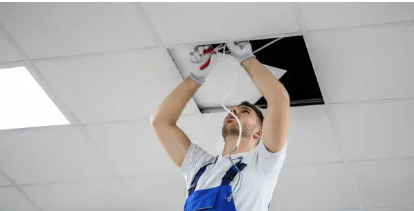
Electrical Fitouts’ A Comprehensive Guide for Adelaide Businesses1

For businesses in Adelaide, ensuring a safe, efficient, and well-designed workspace starts with professional electrical fitouts. Whether you are opening a new office, renovating a retail space, or upgrading a warehouse, understanding the essentials of electrical fitouts is critical to maintaining safety, compliance, and energy efficiency. This guide will walk you through the key aspects of electrical fitouts, helping Adelaide business owners make informed decisions for their commercial spaces.

What Are Electrical Fitouts?

Electrical fitouts refer to the process of installing and upgrading all electrical components within a commercial or office space. This includes wiring, power points, lighting, switchboards, and sometimes specialised equipment connections. In Adelaide, electrical fitouts are governed by strict safety regulations under Australian Standards (AS/NZS 3000), ensuring all installations comply with these requirements.

For Adelaide businesses, electrical fitouts are not just about functionality—they are also about creating a workspace that is energy-efficient, flexible, and tailored to the specific needs of the business. A professional fitout can minimise downtime, reduce energy costs, and support future expansions without costly retrofits.

Key Components of an Electrical Fitout

When planning electrical fitouts in Adelaide, several critical elements must be considered:

1. Power Distribution and Wiring – A fitout begins with a safe and reliable power distribution system. This involves wiring the premises to support the current and future electrical load. Proper cable management and compliance with local standards are essential.

2. Lighting Installation – Lighting significantly impacts productivity and energy efficiency. Adelaide businesses are increasingly adopting LED lighting and smart controls to optimise energy usage while creating a comfortable environment.

3. Switchboards and Safety Devices – Modern fitouts include upgraded switchboards, circuit breakers, and safety devices, such as residual-current devices (RCDs), to protect against electrical hazards.

4. Specialised Outlets and Equipment – Depending on the business, you may require dedicated circuits for computers, kitchen equipment, or manufacturing machinery. Proper planning ensures these are installed safely and efficiently.

5. Compliance and Certification – All electrical fitouts in Adelaide must comply with local regulations and Australian Standards. Licensed electricians provide the necessary certifications, giving businesses peace of mind that their installation meets legal requirements.

Planning Your Electrical Fitout in Adelaide

Effective planning is the foundation of any successful electrical fitout. Adelaide businesses should start by assessing their current electrical infrastructure, identifying areas that require upgrades, and forecasting future needs. Collaboration with a licensed electrician or electrical contractor is crucial. They can provide expert advice on the best materials, technologies, and layouts suitable for the specific type of business.

Energy efficiency is another important consideration. By incorporating energy-saving lighting, motion sensors, and efficient appliances, businesses can reduce operational costs while contributing to Adelaide’s sustainability initiatives.

Benefits of Professional Electrical Fitouts

Investing in professional electrical fitouts offers numerous advantages for Adelaide businesses:

● Safety First – Proper installation reduces the risk of electrical hazards such as short circuits, fires, and shocks.

● Compliance Guaranteed – Licensed electricians ensure all work adheres to Australian Standards and local council requirements.

● Enhanced Productivity – Well-designed layouts with adequate lighting and power access can improve employee productivity and workflow.

● Scalability – Professional fitouts consider future expansion, making it easier to adapt the electrical system as the business grows.

● Energy Efficiency – Modern electrical systems with energy-efficient technologies lower electricity bills and reduce environmental impact.

Choosing the Right Electrical Contractor in Adelaide

Selecting a reliable electrical contractor is crucial for a successful fitout. Look for contractors who are licensed, experienced in commercial projects, and familiar with Adelaide’s building codes and regulations. Requesting references and reviewing previous projects can also help ensure you hire a professional who can deliver high-quality, safe, and compliant electrical fitouts.

Final Thoughts

For Adelaide businesses, electrical fitouts are more than a technical necessity—they are a strategic investment in safety, efficiency, and long-term operational success. From planning power distribution and lighting to ensuring compliance with local regulations, professional fitouts transform commercial spaces into functional, safe, and energy-efficient environments.

Whether you are starting a new business, renovating an office, or upgrading an existing facility, engaging a qualified electrical contractor in Adelaide is the first step toward a seamless and future-proof electrical fitout. Prioritise planning, compliance, and energy efficiency to enjoy a workspace that supports productivity, safety, and sustainability.

By understanding the essentials of electrical fitouts and partnering with trusted professionals, Adelaide businesses can create spaces that meet both current and future needs without compromising on safety or performance.