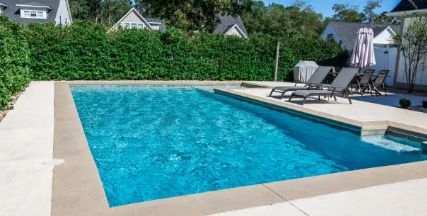
For homeowners considering upgrading their outdoor space, understanding how modern pool systems perform in local conditions is essential. In South Australia, demand for durable, low-maintenance swimming solutions continues to rise, especially among families seeking long-term value and quick installation. One of the most searched solutions is fibreglass pools Adelaide, particularly for properties that need a balance between aesthetics, durability, and climate suitability.
With growing suburban development across Adelaide, fibreglass pools have become a practical alternative to traditional concrete builds. They offer a streamlined installation process, strong structural integrity, and reduced long-term maintenance requirements. However, choosing the right design, understanding pricing factors, and planning for site conditions are critical steps that many homeowners overlook at the beginning of the journey.
This guide breaks down the key considerations before installing a fibreglass pool, helping you make an informed decision tailored to local conditions and lifestyle needs.
Why Fibreglass Pools Suit Adelaide’s Climate and Lifestyle
The climate in Adelaide is characterised by hot, dry summers and mild winters, creating ideal conditions for year-round pool use. Fibreglass shells perform particularly well in this environment due to their thermal stability and resistance to surface cracking caused by temperature fluctuations.
Another advantage of fibreglass pools Adelaide installations is their non-porous surface. This reduces algae growth, resulting in lower chemical use and less time spent on cleaning and maintenance. For busy households, this can translate into significant long-term savings and convenience.
Compared to concrete pools, fibreglass options also have faster installation timelines—often completed within weeks rather than months. This is especially appealing for homeowners who want to maximise summer use without extended construction disruption.
Installation Process and What to Expect Locally
Installing a fibreglass pool involves several structured stages, each of which must align with site conditions and local council requirements. The process typically begins with excavation and site preparation, ensuring the ground is level and stable enough to support the pre-moulded shell.
Once the shell is delivered, it is carefully lowered into position using cranes, then aligned and secured. Plumbing and filtration systems are installed simultaneously to ensure efficient water circulation and compliance with safety standards.
In fibreglass pools Adelaide projects, one of the most important considerations is soil composition. Certain areas may require additional reinforcement or drainage adjustments due to clay-heavy or shifting soil types. This can slightly affect installation timelines, but it is essential for long-term structural integrity.
After installation, the pool is backfilled, filled with water, and tested for balance and system functionality. Final landscaping is then completed to integrate the pool seamlessly into the outdoor environment.
The entire process is generally faster and less invasive than traditional builds, making it ideal for homeowners seeking minimal disruption while still achieving a high-end result.
Cost Factors and Long-Term Value Considerations
The cost of installing a fibreglass pool can vary significantly depending on size, site accessibility, and additional features such as heating, lighting, or decking. While the upfront investment may appear substantial, fibreglass pools are often more cost-effective over time due to lower maintenance and repair costs.
When evaluating fibreglass pools Adelaide, it is important to consider not just installation costs but also lifecycle value. Fibreglass surfaces resist staining and require fewer chemical treatments, which lowers ongoing operational expenses.
Site complexity is another major cost driver. Sloped blocks, limited access for machinery, or the need for retaining walls can increase project budgets. However, these challenges are not uncommon in many Adelaide suburbs and can usually be addressed with proper planning.
Energy efficiency is another long-term benefit. Because fibreglass shells retain heat more effectively than other materials, heating costs may be lower, especially when paired with a pool cover.
Ultimately, homeowners should assess total ownership costs rather than focusing solely on installation pricing to understand the full financial picture.
Design Trends and Backyard Integration in Adelaide Homes
Modern pool design is no longer just about function—it’s about creating a cohesive outdoor living space. In recent years, homeowners have increasingly prioritised integrated landscaping, minimalist pool edges, and natural colour palettes that complement surrounding architecture.
In fibreglass pools Adelaide installations, popular trends include stone coping, timber decking, and built-in seating ledges that enhance usability without compromising aesthetics. LED lighting systems are also widely used to extend pool usability into the evening while adding visual appeal.
Another growing trend is compact plunge pools, which are particularly suitable for urban blocks with limited space. These designs prioritise relaxation and cooling over lap swimming, making them ideal for modern lifestyles.
Water-saving features and energy-efficient filtration systems are also becoming standard expectations, reflecting broader sustainability goals among homeowners in Adelaide.
By combining thoughtful design with practical engineering, fibreglass pools can significantly enhance property value while delivering long-term enjoyment.
Final Considerations Before Installation
Before committing to a pool installation, it is important to evaluate site suitability, budget flexibility, and long-term maintenance expectations. Consulting with experienced installers can help identify potential challenges early and ensure compliance with local building codes.
With careful planning and the right design choices, a fibreglass pool can become a long-term lifestyle investment that enhances both property value and everyday living.