Tendonitis is a common condition that significantly affects athletes, workers in Adelaide with repetitive strain, and even people with everyday overuse injuries. Characterised by severe pain, stiffness, and inflammation in the tendons, it can limit mobility and reduce quality of life. Traditional treatments, such as rest, ice, or anti-inflammatory medications, may provide relief, but they do not always address the underlying issue. It is where Shockwave Therapy has proven to be a safe and effective solution. Targeting the root cause of tendon pain helps restore function and accelerate healing without the need for invasive procedures.
Understanding Tendonitis
Tendons are strong, fibrous tissues that connect muscles to bones. When these tissues become inflamed or irritated, the condition is referred to as tendonitis. It often occurs in areas such as the Achilles tendon, elbow (tennis or golfer’s elbow), shoulder (rotator cuff), and knee (patellar tendonitis).
Causes of tendonitis include:
Repetitive movements or overuse
Poor posture during physical activity
Sudden increases in training intensity
Aging, which reduces tendon elasticity
Symptoms typically include pain during movement, swelling, and reduced flexibility. If left untreated, tendonitis can progress into chronic tendinopathy, which is harder to manage.
What Is Shockwave Therapy?
Shockwave Therapy, or Extracorporeal Shockwave Therapy (ESWT), is a non-invasive treatment that uses high-energy acoustic waves to stimulate healing within damaged tissues. Originally developed for the effective breaking up of kidney stones, it is now widely used in sports medicine, orthopedics, and physiotherapy for managing musculoskeletal conditions.
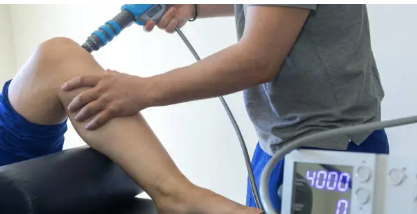
During treatment, a handheld device delivers shockwaves directly to the injured tendon. These waves penetrate deep into tissues, creating controlled microtrauma that encourages the body to repair itself.
How Shockwave Therapy Helps Tendonitis
One of the reasons tendonitis is difficult to treat is that tendons have a limited blood supply. It makes it more difficult for the body to deliver nutrients and oxygen to the injured areas. Shockwave Therapy addresses this challenge by:
Stimulating blood vessel growth (angiogenesis): New capillaries form around the tendon, improving circulation and nutrient delivery.
Breaking down scar tissue and calcifications: Shockwaves dissolve hardened tissue that can interfere with tendon flexibility.
Reducing inflammation: The treatment decreases inflammatory markers in the tendon, easing pain and swelling.
Activating collagen production: Collagen is crucial for maintaining tendon strength and facilitating repair. Shockwave Therapy boosts its formation.
Desensitising nerves: By lowering pain signals from affected areas, the treatment provides long-lasting relief.
These combined effects allow the tendon to heal more effectively and restore normal function.
Benefits of Shockwave Therapy for Tendonitis
For patients struggling with tendon pain, Shockwave Therapy offers multiple advantages:
Non-invasive: No surgery or injections are required, reducing risks and recovery time.
Safe and proven: Studies show positive results in treating tendon-related conditions, even chronic cases.
Quick sessions: Treatments usually last 15–30 minutes.
Minimal downtime: Patients can immediately return to normal activities shortly after therapy.
Long-term relief: By addressing the root cause, results are often sustainable over time.
Compared to pain medications that mask symptoms or surgeries that carry risks, Shockwave Therapy offers a balance of safety, effectiveness, and convenience.
Conditions Treated with Shockwave Therapy
Tendonitis can occur in different parts of the body, and Shockwave Therapy has been shown to be effective for a wide range of tendon-related problems, such as:
Achilles tendonitis – common in runners and athletes.
Patellar tendonitis (jumper’s knee) is frequent among basketball and volleyball players.
Tennis elbow – caused by repetitive gripping and arm motions.
Golfer’s elbow – pain and stiffness on the inner side of the elbow.
Rotator cuff tendonitis – shoulder pain from repetitive overhead activities.
Hip tendonitis – often linked to overuse or poor biomechanics.
For each of these conditions, Shockwave Therapy promotes healing and reduces pain by enhancing blood flow and tissue regeneration.
What to Expect During Treatment
A typical session begins with the full application of a gel to the treatment area, which helps conduct the shockwaves. The therapist then significantly uses a handheld device to deliver acoustic waves to the tendon. Patients may feel mild discomfort during the session, but it is generally well-tolerated.
Most treatment plans involve three to six sessions, spaced one week apart. Many patients notice excellent improvements after just a few visits, with continued healing occurring in the weeks that follow.
Safety Considerations
Shockwave Therapy is considered safe for most individuals, with minimal side effects. Some patients may experience temporary redness, swelling, or soreness after treatment; however, these effects typically subside within one to two days.
However, Shockwave Therapy may not be suitable for people with certain conditions, such as:
Pregnancy
Blood clotting disorders
Active infections in the treatment area
Tumours near the tendon
A healthcare provider should always evaluate whether the therapy is appropriate for each case.
Conclusion
Tendonitis can be painful and frustrating, especially when conventional treatments fail to provide lasting relief. With its ability to stimulate circulation, reduce inflammation, and promote natural tissue repair, Shockwave Therapy is a safe and effective option for treating tendonitis. Whether you are an athlete, an active individual, or someone dealing with repetitive strain injuries, this therapy offers a non-invasive path to recovery. By addressing the root cause of tendon pain, Shockwave Therapy not only relieves symptoms but also restores function—helping you return to the activities you love with confidence.