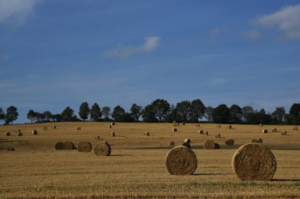
Due to Australia’s vast and varied climate, farmers across the country face unique challenges when it comes to hay and silage production. One essential tool that has emerged to help manage these challenges is net wrap. This innovative product is designed to enhance the efficiency of the baling process and ensure the quality of stored fodder. In this article, we will delve into what net wrap is, its benefits, and how it has revolutionised agricultural practices in Australia. For a premium net wrap, click here.
 What is Net Wrap?
Net wrap is a synthetic mesh material used to secure bales of hay and silage. Unlike traditional twine, net wrap provides a tighter and more uniform binding, which is crucial for preserving the quality of the feed. It is typically made from high-density polyethylene or polypropylene, offering durability and strength. Available in various widths and lengths, net wrap is compatible with most modern round balers, making it a versatile option for farmers.
Benefits of Using Net Wrap
Improved Bale Integrity
One notable advantage of using net wrap is the superior integrity it provides to bales. The mesh design allows for a snug fit around the bale, reducing the risk of spillage during transport or storage. This means less waste and more efficient resource use.
Enhanced Protection Against Weather Elements
In Australia, where unpredictable weather conditions can threaten stored fodder, net wrap acts as a protective barrier. It shields the hay and silage from moisture, UV rays, and wind, helping to maintain the feed’s nutritional value. It is particularly important during the hot summer months when sun exposure can degrade the quality of stored fodder.
Faster Baling Process
Net wrap allows for quicker baling compared to traditional twine. The application of net wrap is generally more efficient, meaning farmers can spend less time on the baling process and more time on other critical tasks. This efficiency can significantly enhance productivity, especially during peak harvesting seasons.
Cost-Effectiveness
While some may perceive net wrap as an additional expense, its cost-effectiveness becomes apparent over time. The reduced loss of hay and silage, lower labour costs associated with quicker baling, and improved quality of the feed all contribute to a more favourable return on investment. Furthermore, high-quality feed leads to better livestock health and productivity, resulting in increased profitability for farmers.
Eco-Friendly Options
With the continuous increase in focus on sustainability in agriculture, many manufacturers now offer eco-friendly net wrap options. These products are made from recycled materials and are specifically designed to be biodegradable, making them an excellent choice for environmentally conscious farmers. By choosing eco-friendly net wrap, farmers can reduce their environmental footprint while still significantly enjoying the benefits of high-quality baling.
How to Choose the Right Net Wrap
Selecting the suitable net wrap for your needs involves considering several factors:
- Bale Size: Ensure the net wrap is compatible with the size of the bales you produce. Net wrap is available in various sizes to accommodate different balers.
- Strength and Durability: Look for a net wrap that is designed to withstand harsh weather conditions and the rigours of transport. High-quality materials will offer better performance and longevity.
- Width and Length: Different manufacturers offer net wrap in varying widths and lengths. Choose a size that fits your baling equipment and meets your production requirements.
- Eco-Friendly Options: If sustainability is a priority for you, consider net wrap made from recycled or biodegradable materials.
- Manufacturer Reputation: Opt for net wrap from reputable manufacturers known for producing high-quality agricultural products. Reading reviews and seeking recommendations from other farmers can help guide your decision.
Conclusion:
In Australia, net wrap has transformed the way farmers produce, store, and manage hay and silage. Its numerous benefits, including improved bale integrity, protection against weather elements, and cost-effectiveness, make it an indispensable tool in modern agriculture. As the demand for quality fodder continues to rise, investing in high-quality net wrap is essential for farmers looking to enhance their productivity and ensure the health of their livestock.
By understanding the advantages and best practices associated with net wrap, Australian farmers can optimise their operations and contribute to a more sustainable agricultural future. Whether you are a seasoned farmer or new to the industry, incorporating net wrap into your baling practices is a wise choice that can yield significant benefits for your farm.