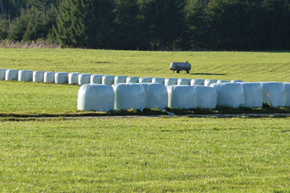
Producing quality silage is only half the job; for Australian dairy and livestock producers, protecting that forage from oxygen, moisture and physical damage is essential to preserving its feeding value from baling through to the trough. Silage bale wrap provides the protective barrier needed to support effective fermentation and maintain bale integrity during storage and handling. In regions ranging from Victoria’s dairy country to southern New South Wales and Western Australia, choosing dependable wrapping materials can make a practical difference to feed preservation, labour efficiency and waste control.
Why Silage Bale Wrap Matters
Once forage is baled, oxygen exposure can interfere with the fermentation process that helps preserve silage. Effective wrapping limits oxygen penetration and creates the sealed environment needed for stable storage.
A high-quality silage bale wrap also needs to withstand the realities of Australian farming. Bales may be moved across paddocks, transported between properties, or stored outdoors, where they face heat, wind, dust, and changing weather conditions.
Poor-quality or damaged film can compromise the seal. Tears, punctures and inadequate stretch can allow air into the bale, increasing the risk of spoilage and reducing the amount of usable feed available to livestock.
Choosing Agricultural Bale Stretch Film for Australian Conditions
Not all agricultural bale stretch film performs the same way. Producers should consider film strength, stretch characteristics, cling, puncture resistance and UV performance when selecting a product for their baling system and storage conditions.
Look for Consistent Wrapping Performance
Consistent film application helps create a reliable seal around each bale. The film should stretch evenly without excessive tearing while maintaining sufficient overlap between layers.
Important characteristics include:
● High puncture resistance for handling and storage
● Reliable stretch and cling for tight, secure wrapping
● Strong sealing performance to minimise oxygen exposure
● UV resistance for bales stored outdoors
● Compatibility with wrapping equipment and operating conditions
Using the right agricultural bale stretch film can also help reduce unnecessary film consumption. Consistent performance lets operators maintain wrapping standards without repeatedly stopping to fix broken film or poorly wrapped bales.
Protecting Feed Through Storage and Handling
Australian farms have diverse climates, so storage conditions should influence wrapping decisions. Bales exposed to intense sunlight, high temperatures or fluctuating weather need film designed to maintain its protective properties during the intended storage period.
Handling practices matter too. Even strong silage bale wrap can be damaged by sharp machinery edges, rough surfaces or careless movement. Handle bales carefully and inspect them periodically for visible punctures or tears.
If you identify damage, repairing the affected area promptly with a suitable repair material can help restore the barrier and reduce further exposure.
Getting More Value from Every Bale
Feed preservation is ultimately about protecting the investment already made in growing, cutting and baling forage. Effective wrapping solution can help producers retain more usable feed while reducing avoidable spoilage.
For dairy operations, beef producers, sheep farms and mixed livestock enterprises, dependable silage bale wrap supports a more controlled approach to forage storage. Selecting film based on local conditions, equipment requirements and expected storage duration is more valuable than simply choosing the cheapest option.
Conclusion
High-performance silage bale wrap is an important part of protecting forage quality across Australian dairy and livestock operations. Strong agricultural bale stretch film, correct application and careful bale handling work together to create a dependable storage system.
Choose wrapping film designed for Australian conditions and matched to your equipment. Talk to a specialist supplier about the right silage bale wrap for your baling operation and storage requirements before the next harvest.
—
Frequently Asked Questions
1. What is silage bale wrap used for?
Silage bale wrap creates a protective seal around forage bales, limiting oxygen exposure and supporting fermentation and preservation.
2. Why is film quality important for silage bales?
Strong, consistent film helps reduce punctures, tears and seal failures that can expose stored forage to air and contribute to spoilage.
3. What should I look for in agricultural bale stretch film?
Consider puncture resistance, stretch, cling, UV performance, sealing characteristics and compatibility with your wrapping equipment.
4. Can silage bales be stored outdoors?
Yes. However, outdoor storage exposes bales to sunlight and weather, so using suitable film and practising careful storage are important.
5. How can I reduce damage to wrapped silage bales?
Handle bales carefully, avoid contact with sharp machinery, select durable film, and regularly inspect stored bales for punctures or tears.